Rheumatoid Arthritis Product Range
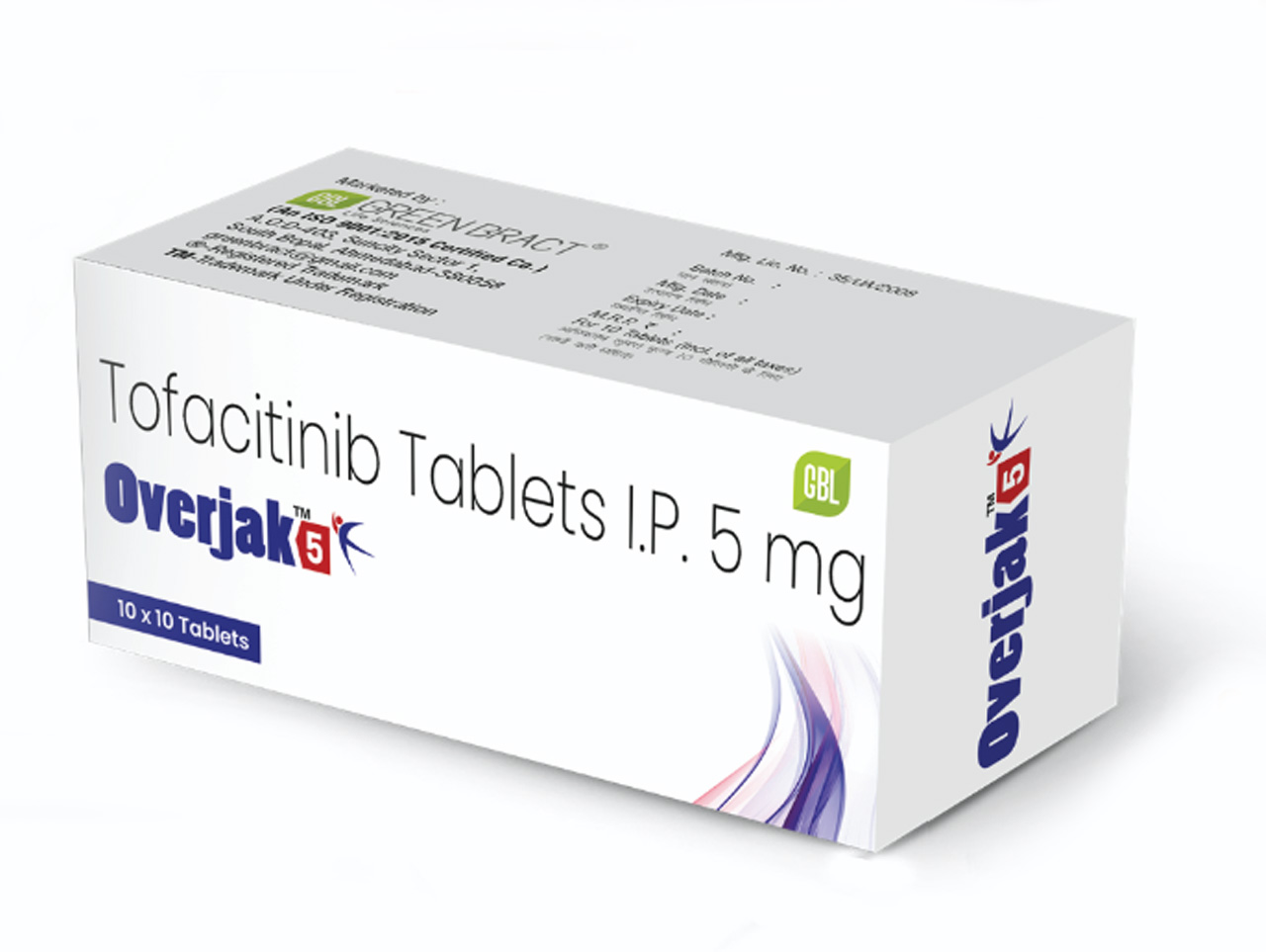
OVERJAK 5
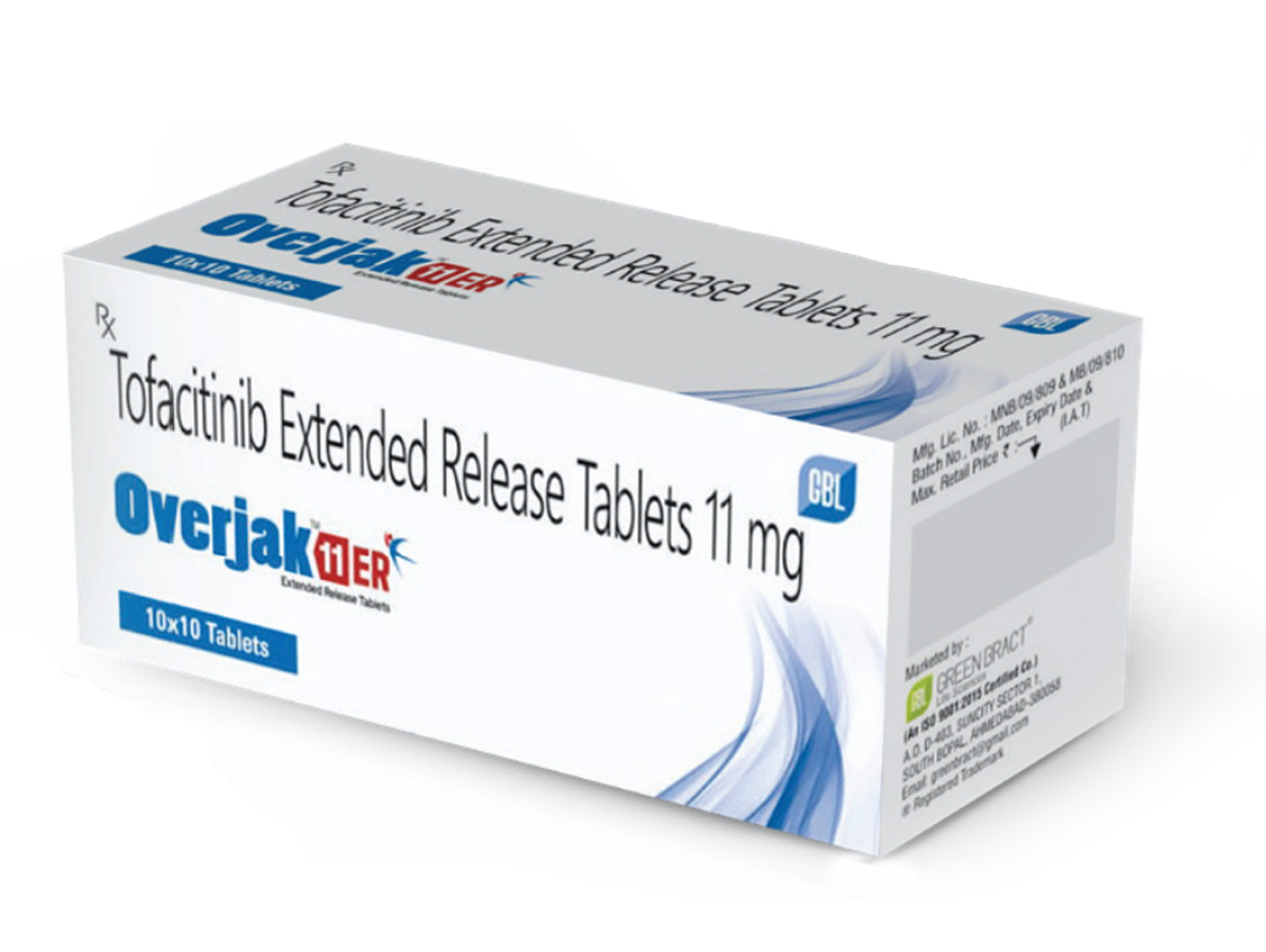
OVERJAK 11

COXPRIDE 120

COXPRIDE P

COXPRIDE SP

COXPRIDE TH

NUTRIPACE LC

POLMASAFE
Rheumatoid Arthritis (RA) is a chronic autoimmune and inflammatory disease that primarily affects the joints. It occurs when the immune system mistakenly attacks the body's own tissues, leading to inflammation of the joint lining. Over time, persistent inflammation can cause joint pain, swelling, stiffness, and reduced mobility, and may result in progressive joint damage.
RA commonly affects the hands, wrists, feet, and other joints, often involving joints on both sides of the body. It can also affect other parts of the body and may be associated with symptoms such as fatigue and general weakness.
Joint pain, swelling, and tenderness
Morning stiffness or stiffness after periods of inactivity
Reduced joint movement and mobility
Symptoms that may affect joints on both sides of the body
Fatigue and reduced overall well-being
RA is a long-term condition that requires individualized medical management. Early assessment and appropriate treatment can help control inflammation, manage symptoms, preserve joint function, and support quality of life.
The European Alliance of Associations for Rheumatology (EULAR) develops evidence-based recommendations for the management of rheumatic and musculoskeletal diseases.
EULAR recommendations for rheumatoid arthritis address the use of conventional synthetic DMARDs, biologic DMARDs and targeted synthetic DMARDs as part of a structured, treat-to-target approach.
Clinical management should generally consider:
Early diagnosis and appropriate treatment
Assessment of disease activity and treatment response
A treat-to-target approach
Appropriate use of disease-modifying antirheumatic drugs (DMARDs)
Adjustment of therapy when treatment targets are not achieved
Consideration of patient characteristics, comorbidities and safety factors
Shared decision-making between the healthcare professional and patient
Targeted synthetic DMARDs, including JAK inhibitors, are included within modern RA treatment recommendations. Their use should be based on the individual patient's clinical circumstances, treatment history and relevant safety considerations.
Treatment decisions should always be made by the treating physician after appropriate clinical assessment.
EULAR recommendations for the management of rheumatoid arthritis with synthetic and biologic disease-modifying antirheumatic drugs: 2025 update
Published online: 12 March 2026
Annals of the Rheumatic Diseases
DOI: 10.1016/j.ard.2026.01.023
Official resource:
"EULAR – Recommendations for Management" (https://www.eular.org/recommendations-management)
Disclaimer
The information presented on this page is provided for educational and informational purposes for healthcare professionals.
It is not intended to replace professional medical judgment, individual patient assessment, diagnosis or treatment.
Clinical guidelines and recommendations may be updated periodically. Healthcare professionals should refer to the latest original publication or official guideline source before making clinical decisions.
Greenbract does not claim ownership of, or endorsement by, the Rome Foundation, EULAR or any other guideline organisation referenced on this website.
All trademarks, names and copyrighted materials remain the property of their respective owners.
For the complete and current recommendations, please refer to the respective organisation's official publication.
OVERJAK 5
OVERJAK 11
COXPRIDE 120
COXPRIDE P
COXPRIDE SP
COXPRIDE TH
NUTRIPACE LC
POLMASAFE

Admin Office: D-403, Suncity, Sector-1, South Bopal, Ahmedabad, Gujrat, India.