IBS Product Range

OVERSPA X

OVERSPA SR
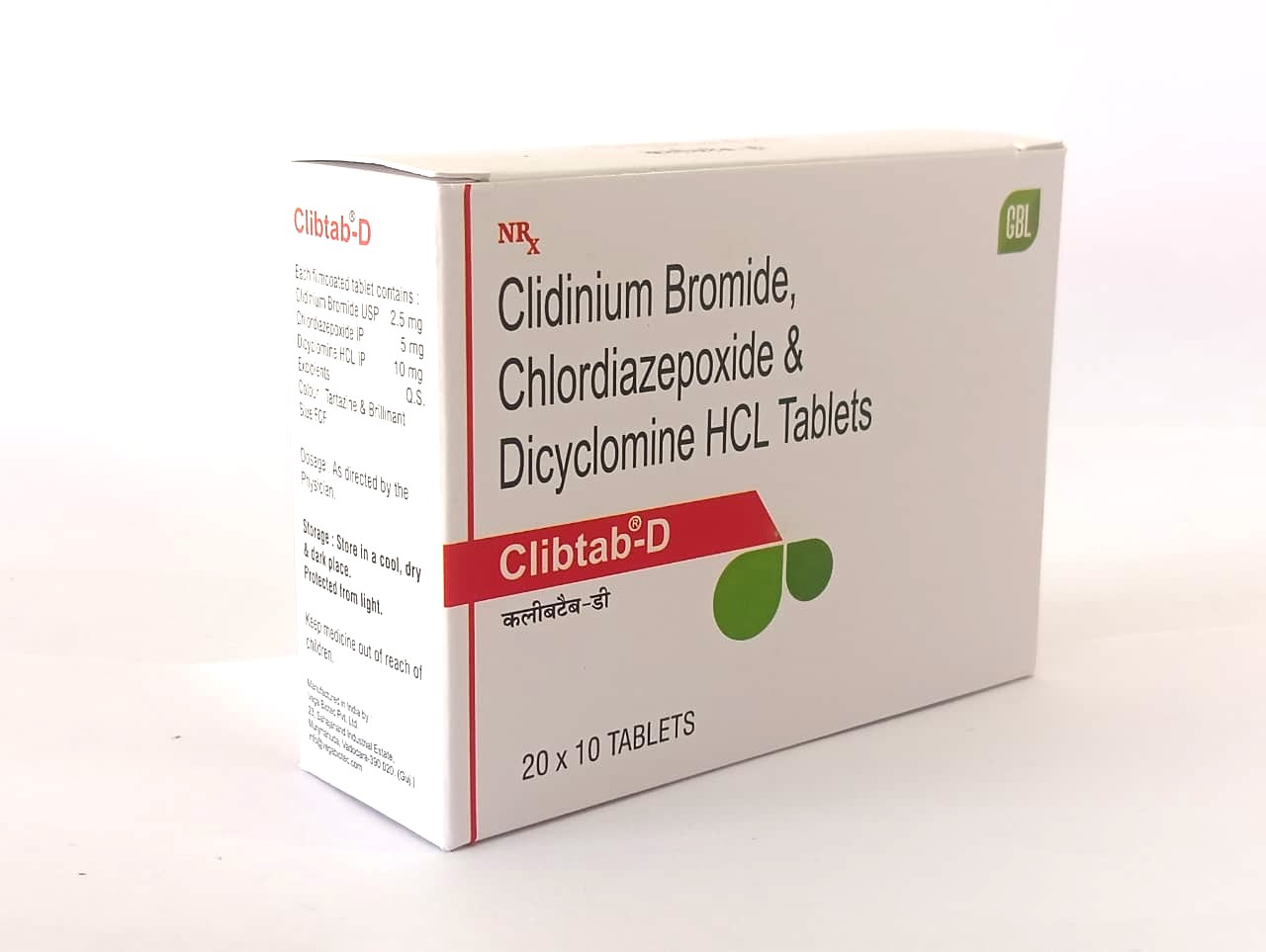
CLIBTAB D

PRUCON 1

PRUCON 2
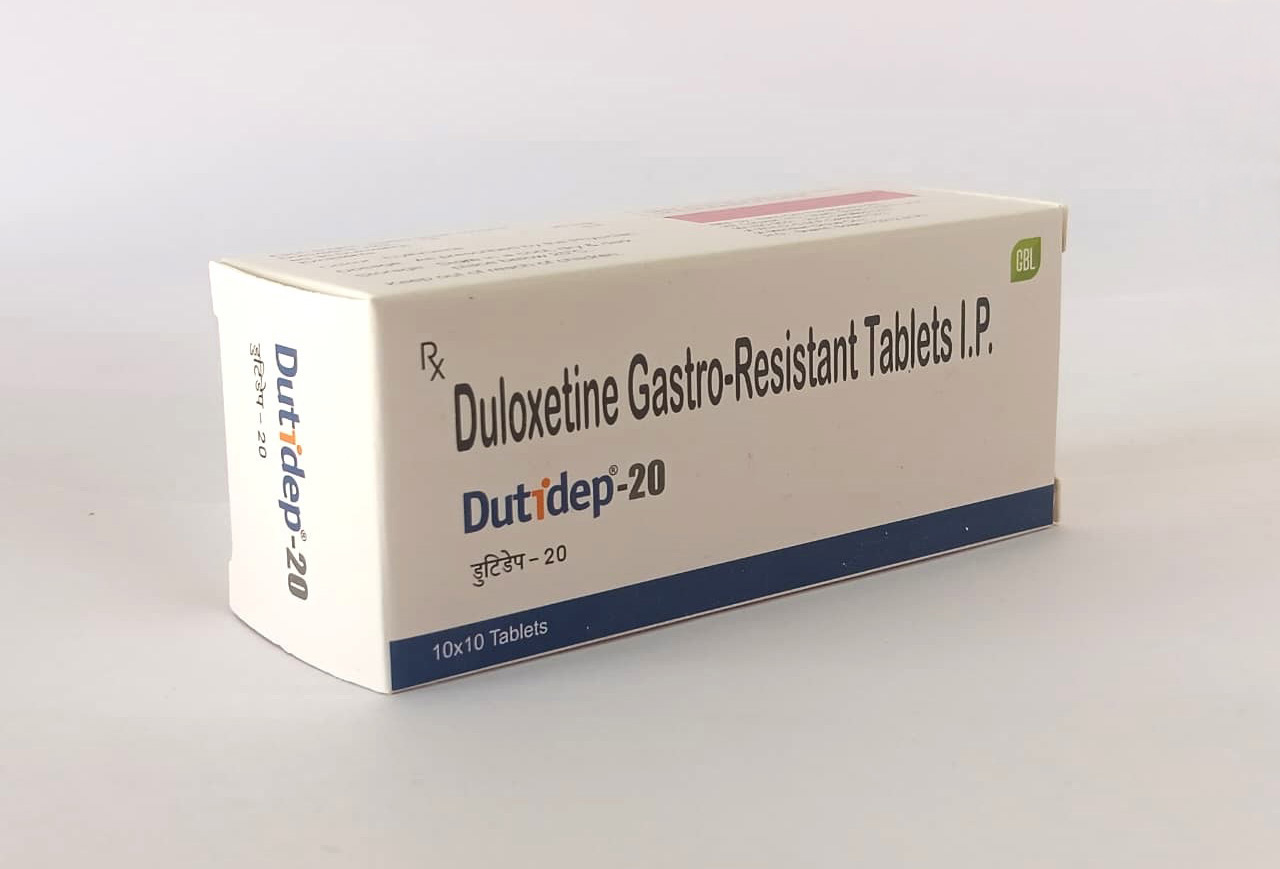
DUTIDEP 20

DUTIDEP 30
Irritable Bowel Syndrome (IBS) is a common disorder of the digestive system characterized by recurring abdominal pain or discomfort along with changes in bowel habits, such as diarrhea, constipation, or alternating between both. IBS is a chronic condition that can vary in severity and may significantly affect an individual’s daily activities and quality of life.
IBS is considered a disorder of gut–brain interaction, involving changes in how the digestive system and brain communicate and respond to one another. Symptoms can differ from person to person and may be influenced by factors such as diet, stress, and other individual triggers.
Abdominal pain or discomfort
Bloating and abdominal fullness
Constipation
Diarrhea
Changes in bowel habits
Feeling of incomplete bowel evacuation
IBS management is individualized and may involve dietary and lifestyle measures, symptom management, and appropriate medical guidance.
The Rome IV Criteria, developed by the Rome Foundation, provide internationally recognised diagnostic criteria for disorders of gut-brain interaction, including Irritable Bowel Syndrome (IBS).
According to the Rome IV criteria, IBS is characterised by recurrent abdominal pain associated with changes related to defecation, stool frequency and/or stool form, after appropriate clinical evaluation.
IBS diagnosis is based on:
Recurrent abdominal pain
Relationship of symptoms to defecation
Change in stool frequency
Change in stool form or appearance
Appropriate clinical evaluation to exclude other conditions where indicated
IBS-C – IBS with constipation
IBS-D – IBS with diarrhoea
IBS-M – IBS with mixed bowel habits
IBS-U – IBS unclassified
Rome IV criteria are intended to support clinical diagnosis and should be interpreted by a qualified healthcare professional in the context of the individual patient.
Official resource:
"Rome Foundation – Rome IV Criteria" (https://theromefoundation.org/rome-iv/rome-iv-criteria/)
Reference:
Drossman DA, Hasler WL. Rome IV - Functional GI Disorders: Disorders of Gut-Brain Interaction. Gastroenterology. 2016;150:1257–1261.
Disclaimer
The information presented on this page is provided for educational and informational purposes for healthcare professionals.
It is not intended to replace professional medical judgment, individual patient assessment, diagnosis or treatment.
Clinical guidelines and recommendations may be updated periodically. Healthcare professionals should refer to the latest original publication or official guideline source before making clinical decisions.
Greenbract does not claim ownership of, or endorsement by, the Rome Foundation, EULAR or any other guideline organisation referenced on this website.
All trademarks, names and copyrighted materials remain the property of their respective owners.
For the complete and current recommendations, please refer to the respective organisation's official publication.
OVERSPA X
OVERSPA SR
CLIBTAB D
PRUCON 1
PRUCON 2
DUTIDEP 20
DUTIDEP 30

Admin Office: D-403, Suncity, Sector-1, South Bopal, Ahmedabad, Gujrat, India.